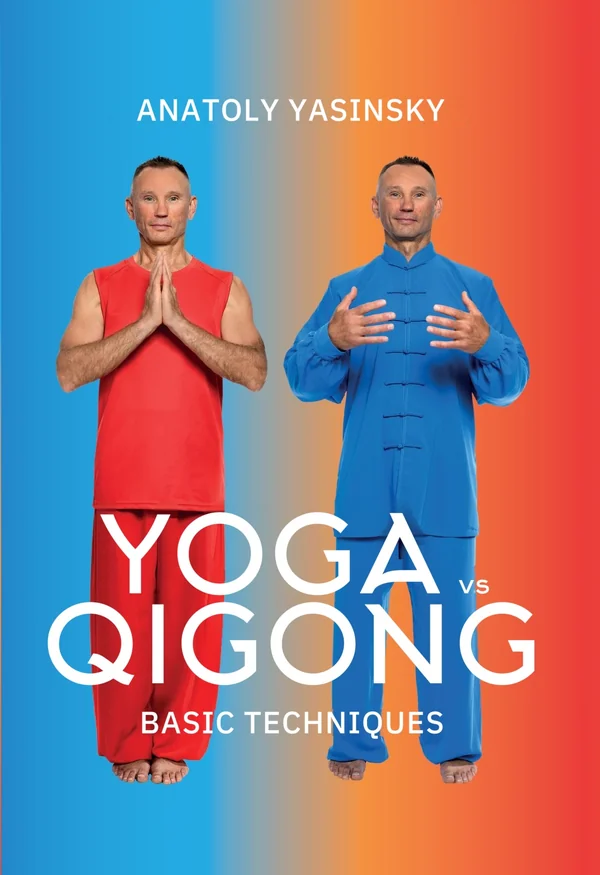
A book by Anatoly Yasinsky
Yoga vs Qigong: Basic Techniques
A scientific approach to ancient practices: how yoga and qigong work with the body, the breath and the mind
Choose your edition
Try before you buy
Open a few pages of the book and listen to an excerpt from the audiobook. Free, no sign-up.
 PDF
Pages from the book
How both practices work, what they share and how they differ. With photos, just like the full book.
“The Magic Muscle”
Like it? Choose your edition: e-book, audiobook or both.
Choose your editionWhat’s inside
Six practices and the theory
Three practices from yoga, two from qigong, and meditation. Every chapter has a video lesson via QR code and its own page with the technique on this site.
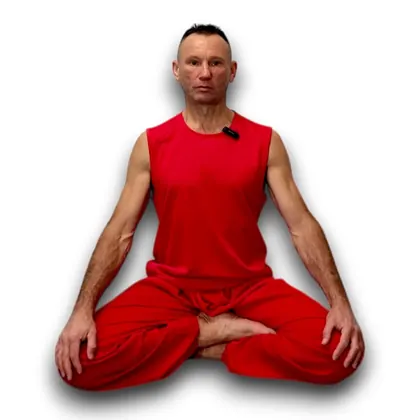 YogaAsanahow to sit in pranayama and meditation
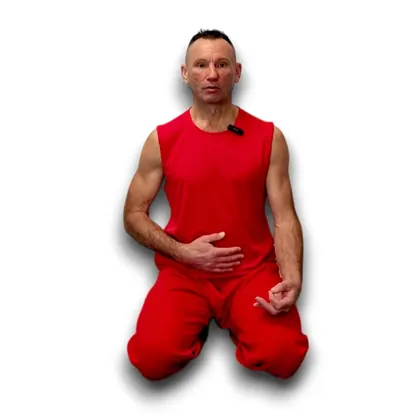 YogaPranayamabreathing exercises for beginners
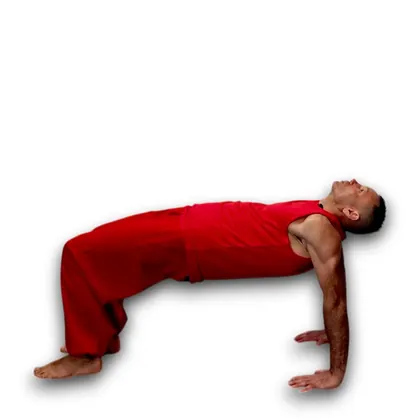 YogaEye of Revelationfive exercises
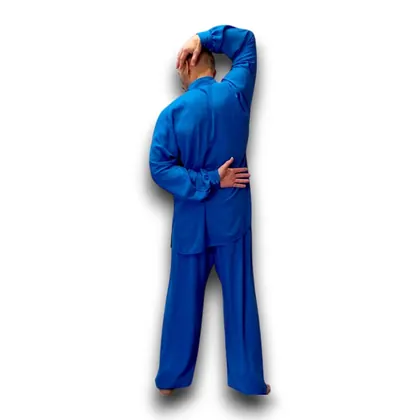 QigongYi Jin JingShaolin set for muscles and tendons
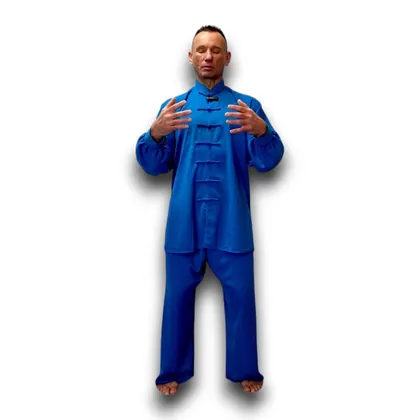 QigongZhan Zhuangstanding meditation, the “pillar” exercise
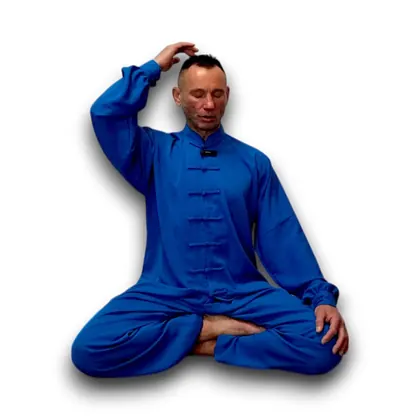 MeditationMeditationrelaxation and awareness
 Ba Duan Jin
 Qigong vs Yoga
Who it’s for
Who this book is for
For anyone who wants to start from a solid foundation and understand what they are doing and why. Every technique is explained through biomechanics and physiology, without esotericism.
If you have never practised or have only tried following online videos. Six basic practices from scratch: how to sit, breathe, stand and relax.
The practices are gentle and the load is easy to adjust. The 5 Tibetan Rites sequence is broken down into three levels, starting with the simplest.
Helps you understand why a technique works and spot mistakes that have been passed from class to class for years.
The comparison of yoga and qigong, clear reference points and step-by-step photos are handy when preparing classes.
Reviews from Ozon
What readers say
Reviews of the Russian edition, translated.
Open on Ozon ↗
A wonderful book! Very well structured and to the point. The author doesn't dive into esoterics but relies on science to explain Eastern practices. The book describes specific exercises with QR codes that lead to video lessons, so you can not only take in the theory but also start practicing new routines right away. I'd also like to mention the print quality and the beautiful, practical design of the book. Highly recommend ☺️
I bought it to practice on my own, thinking I'd just pick up a dozen exercises to get started. And I got hooked: the material is presented in a very engaging and interesting way. I'm especially glad that the author doesn't stop at traditional methods but connects them with the modern understanding of human physiology. All in all, a great book, I recommend it!
Author
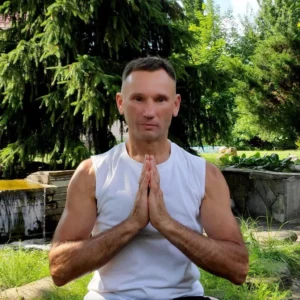
Anatoly YasinskyPhysicist (MIPT), qigong instructor, yoga therapist and meditation teacher. 25 years of practice, trained in Russia, China and India, writes for Yoga Journal. Explains yoga and qigong through biomechanics and physiology, without esotericism.
About the author →Questions about the book and buying
Is the book suitable if I have never practised?
Yes. Every practice is described from scratch: starting position, steps and common mistakes. Each chapter has a video lesson via QR code, so you can follow along with the author.
How is qigong different from yoga?
Yoga involves more holding of poses and stretching, qigong more smooth movement, standing postures and relaxation. The book shows where the two traditions meet and how practices from both complement each other.
How much time do I need to practise?
15-20 minutes a day is enough to start. Regularity matters more than duration: a short daily practice gives more than an hour once a week.
What do I need for practice?
A mat and a firm cushion or bolster so you can sit with a straight back. For qigong you need nothing but comfortable clothes.
What format is the book in?
A 235-page PDF. The download link arrives by email right after payment.
What can I read it on?
A phone, tablet, computer or any e-reader that supports PDF. Video lessons open from QR codes and links right on the pages.
What’s in the audiobook?
The whole book read aloud: MP3 files in a ZIP archive. Handy for listening on the go and returning to the chapter you need.
Which languages is the book available in?
Both the e-book and the audiobook are available in English, Bulgarian and Russian. This page sells the edition in the language of the page; the others are listed under “All editions and formats” at the bottom.
How does payment work?
By card via Stripe, right on this page. Card details are not stored on the site.
What if the book isn’t right for me?
Refund terms are described on the Refunds and exchanges page.
Is there a printed book?
Yes, a printed edition in Russian only. I sign every copy and send it by post to any country except Russia: €35 plus shipping from €5. To order: “Printed book with an autograph”.
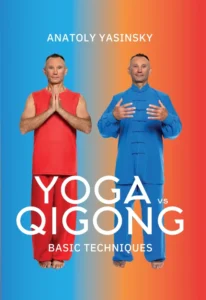
The e-book is €14, or €19 together with the audiobook.