Six practices with video lessons
Basic Techniques of Yoga and Qigong
Six practices that make up the whole foundation: three from yoga, two from qigong, and meditation, which the two systems share. You can learn them at home, with no studio and no equipment beyond a mat and a couple of yoga blocks. Each practice has its own page with a detailed technique and a video lesson.
3 yoga practices2 qigong practicesmeditation15-20 minutes a day
YouTube playlist, in the same order as the practices on this page
Route
Six practices
The number on each card shows the learning order. Click a card to open the technique and the video lesson.
 yoga
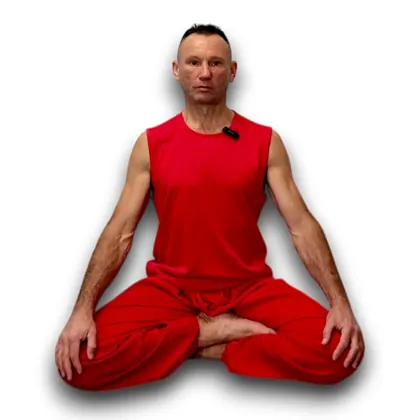
yogaAsana: how to sit correctly
A straight back without pain in the knees or lower back. How to choose a seated pose that suits your body, what to sit on and how to build the spine from the bottom up. Everything else starts with the asana: both pranayama and meditation rest on it.
Technique and video lesson →2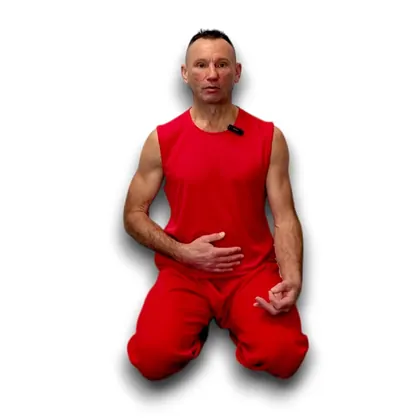 yoga
yogaPranayama: breathing for beginners
Four techniques that will last you the first year: ujjayi, belly breathing, kapalabhati and nadi shodhana. Pranayama teaches you to breathe less often but more deeply and calmly, and a trained breath helps both on the mat and under load.
Technique and video lesson →3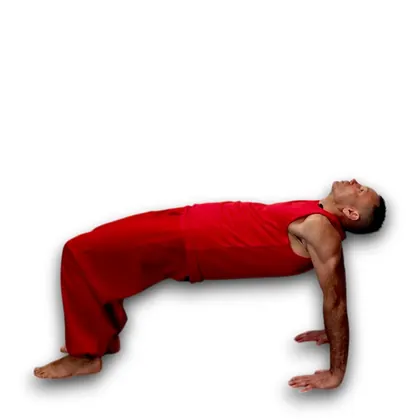 yoga
yogaThe 5 Tibetan Rites: five exercises for every day
A 15-20 minute routine, also known as the Eye of Revelation or the Five Tibetans. Five exercises strengthen the core muscles on every side and bring mobility back to the upper back. Each one can be done at one of three levels of difficulty.
Technique and video lesson →4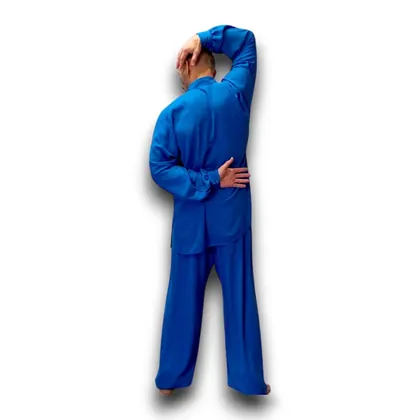 qigong
Yi Jin Jing: a Shaolin qigong sequence
Ten exercises from the “canon of strengthening muscles and tendons”. Slow movements, strength holds and breath work train the whole body in half an hour, with the focus on the spine, shoulders and legs.
Technique and video lesson →5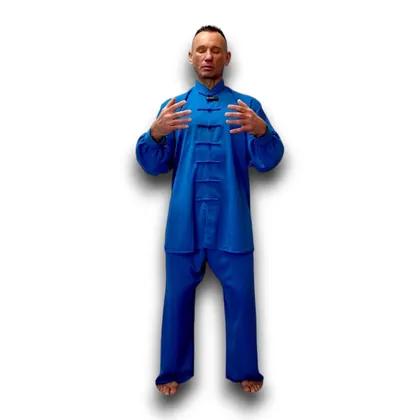 qigong
Zhan Zhuang: standing meditation
“The Tree”, or standing like a pillar. You stand still and learn to relax without losing the vertical. It strengthens the legs, trains balance and attention, and the skill comes in handy in any queue.
Technique and video lesson →6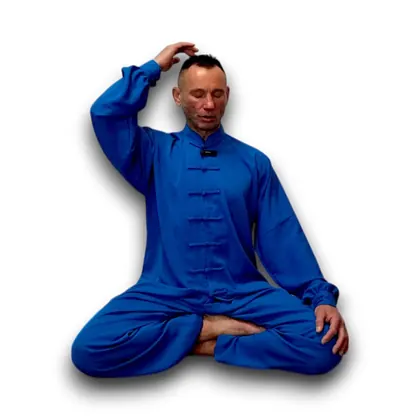 yoga and qigong
Relaxation meditation
You sit with a straight back, breathe quietly and let go of tension throughout the body step by step, from the top down. No mantras and no esotericism, just clear physiology.
Technique and video lesson →From support to stillness
In what order to learn
The practices are arranged from support to stillness, and the order is not random.
- Step 1Asana
First the asana. Until the body can sit straight and calmly, breathing exercises and meditation turn into a fight with numb legs and an aching lower back.
- Step 2Breath
Then the breath. Ujjayi and belly breathing are used in all the other practices: in the sequences, in the stance, in meditation.
- Step 3Movement
Next come two moving sequences, one from each system: the 5 Tibetan Rites from yoga and Yi Jin Jing from qigong. They give the body a workload that static practices do not.
- Step 4Stance
Then Zhan Zhuang. Standing meditation combines muscle work with relaxation and prepares you for the last step.
- Step 5Stillness
And finally meditation, which brings everything together: a straight back, a quiet breath and the ability to let go of tension.
You do not have to follow this order strictly. If sitting on the floor is still hard, start with Zhan Zhuang and the 5 Tibetan Rites and learn the seated asana alongside them.
Two systems
Yoga and qigong: why together
These practices are often set against each other, but in practice they complement each other. People who do only one sooner or later hit the limits of their system: those who only do yoga often lack a steady breath in movement, and those who only do qigong lack flexibility and the ability to sit still calmly.
Yoga gives
- structure and static poses
- stretching
- separate breath training
- the ability to sit still calmly
Qigong adds
- gentle movement
- balance on your feet
- breathing built into every exercise
- a steady breath in movement
Both systems rest on the vertical axis of the body, slow breathing and attention turned inward. That is why all six practices are described here in one language, the language of physiology, without chakras or meridians.
Ready-made routines
Ready-made practice routines
The colour of each tag shows the system: yoga in red, qigong in blue, meditation in green.
Morning: 20 minutes
- Tibetan Rites
- Yi Jin Jing
- Zhan Zhuang
The 5 Tibetan Rites or a few Yi Jin Jing exercises, then 5 minutes of Zhan Zhuang.
Evening: 20 minutes
- Asana
- Belly breathing
- Meditation
5 minutes in the asana with belly breathing and ujjayi, then 15 minutes of relaxation meditation.
One long session: about an hour
- Qigong warm-up
- Tibetan Rites
- Pranayama
- Zhan Zhuang
- Meditation
A qigong-style warm-up, the 5 Tibetan Rites, pranayama, Zhan Zhuang and a short meditation at the end.
For desk work: breaks during the day
- Edge of the chair
- Belly breathing
- “The Tree”
A minute with a straight back on the edge of your chair, a few belly breaths, two or three minutes standing in “the Tree”.
How much time
How much time you need
Enough for the first results. A short daily practice gives more than one long session a week.
It usually becomes easier to sit with a straight back and to breathe calmly.
Posture and endurance change noticeably.
Questions and answers
No. All six practices are designed for beginners, and each has simplified versions. Flexibility comes with practice; it is not a requirement to start.
A mat, one or two yoga blocks or a firm cushion for the pelvis, and comfortable clothes. It is best to practise barefoot.
Yes, as long as the load increases gradually. Qigong and Zhan Zhuang are especially gentle, and the 5 Tibetan Rites have easier versions. With serious back, heart or blood pressure problems, start by consulting a doctor.
Yes. The video lessons show the technique, and the practice pages have descriptions, common mistakes and precautions. If you can practise with an instructor in person even once, it will speed things up.
Five minutes of Zhan Zhuang or five minutes of belly breathing with ujjayi. You can do them anywhere, even at work.
Video lessons
All six video lessons are collected in a YouTube playlist, in the same order as the practices on this page.