Blog Notes
In the Press: the “Yoga and Qigong Without Esotericism” Project
 Anatoly Yasinsky · physicist, qigong instructor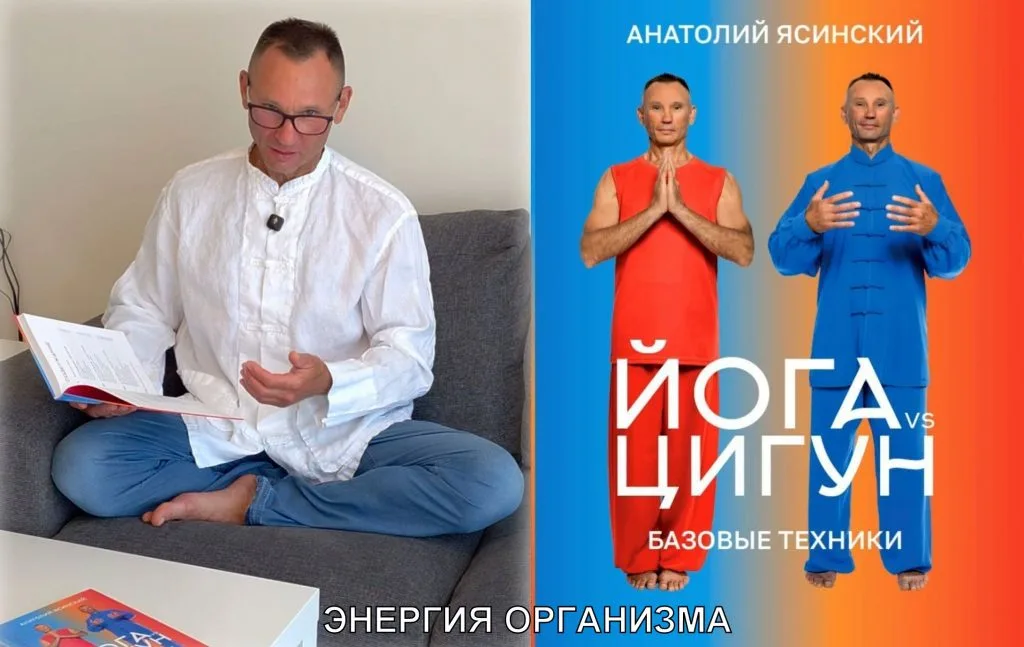
Two online publications have written about my video project. I’m glad the journalists picked up on the main point: this isn’t yet another “open your chakras” course, it’s an attempt to explain ancient practices in the language of physics and physiology.
What the project is
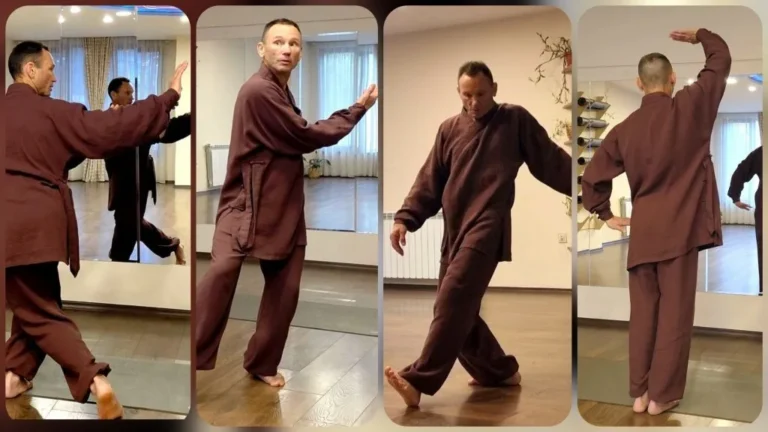
The format is simple. I read chapters of my book “Yoga vs Qigong: Basic Techniques” aloud and comment as I go: where a particular idea came from and what’s behind it in terms of biomechanics, respiratory physiology and the nervous system. Meanwhile the screen shows the book’s pages, diagrams and charts, so you can pause and take a closer look. And if you don’t have time to watch, an episode works just as well as a podcast, in the car or on a walk. Each episode runs about forty minutes.
The first topics: what “prana” and “qi” actually refer to, why it’s better to breathe slower and less often, where mitochondria come into it, and whether breathing practice can help protect your lower back from disc herniation. Coming up next: a close look at slouching, how meditation changes the brain, the physics of stress, and the biomechanics of basic qigong and yoga routines.
Why “without esotericism”? I’m a physicist by training, a graduate of the Moscow Institute of Physics and Technology (MIPT), and I’ve been practicing and teaching for more than twenty years. Over that time I’ve become convinced that almost everything old texts describe in terms of energies and channels can be explained by ordinary physiology. That doesn’t make practice any less interesting. Quite the opposite: you start to understand why you do things exactly this way. You can read more about my path on the About the Author page.
Publications (in Russian)
Era Zdorovya (Health Age): “A Scientist Explains Yoga and Qigong from the Standpoint of Modern Physics and Physiology”
https://healthage.ru/novosti/jogu-i-czigun/
Moi Goda: “MIPT Physicist Launches a Video Project Offering a Scientific Breakdown of Yoga and Qigong Principles”
The project started on the book’s Russian-language website, yoga-vs-qigong.ru. For readers outside Russia, the book is available in English, Bulgarian and Russian, as a PDF and as an audiobook, on the “Yoga vs Qigong: Basic Techniques” page.
More from the blog
All blog posts →
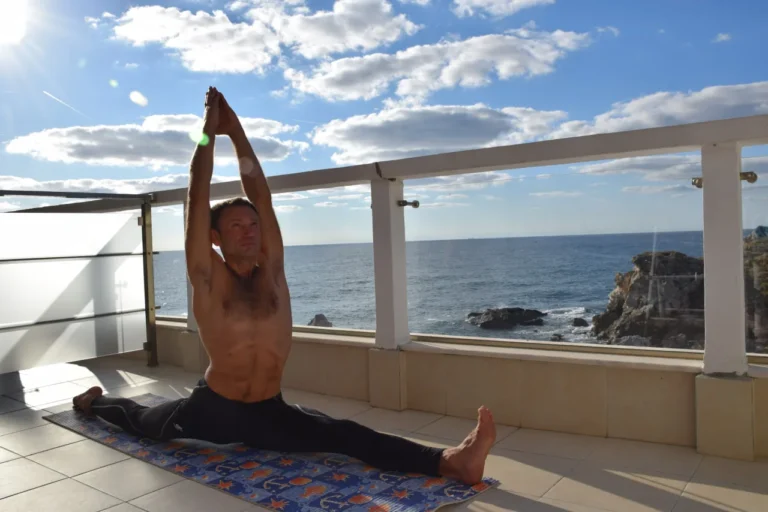
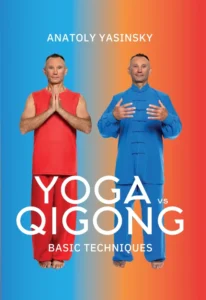
The foundations of yoga and qigong in six practices: 235 pages, over 200 photos and video lessons via QR codes. In English, Bulgarian and Russian.